
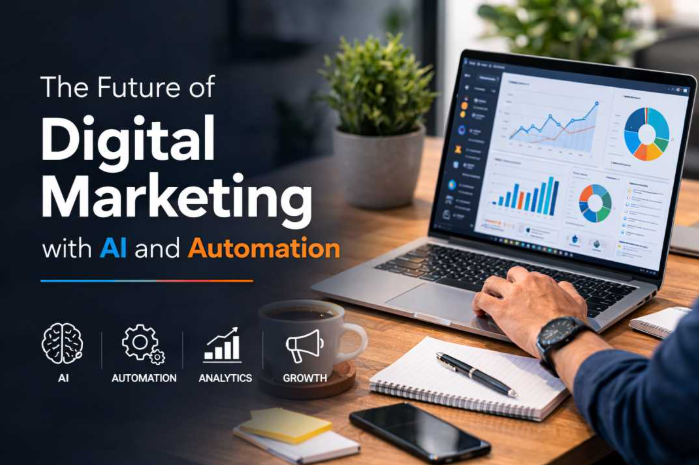
AI refers to technologies that allow machines to analyze data, learn from patterns, and make decisions with minimal human intervention. In marketing, AI helps companies understand consumer behavior, predict trends, and create personalized experiences for customers.
Modern digital marketing platforms increasingly rely on intelligent tools such as ChatGPT and Google Analytics to analyze large amounts of user data. These tools help marketers identify patterns, understand audience preferences, and develop more targeted campaigns. Instead of relying solely on manual research, marketers can now use AI to gain insights quickly and accurately.
The integration of artificial intelligence into marketing strategies allows businesses to deliver the right message to the right audience at the right time. This improved targeting leads to higher engagement, better conversion rates, and stronger brand loyalty.
Why Businesses Are Adopting AI Tools
Businesses are adopting AI-powered marketing tools because they simplify complex marketing processes and improve decision-making. Traditional marketing often required large teams to analyze data, create campaigns, and monitor results. AI systems can automate many of these tasks, allowing marketers to focus on strategy and creativity.
AI tools also provide valuable predictive insights. By analyzing customer behavior and historical data, AI can forecast future trends and recommend marketing actions. This ability helps businesses stay competitive in rapidly changing digital environments.
Another reason companies adopt AI is personalization. Customers today expect personalized content, product recommendations, and communication. AI helps brands deliver these experiences by analyzing customer interactions and tailoring marketing messages accordingly.
The Growing Role of Automation in Marketing Strategies
Automation has become a central part of modern digital marketing strategies. Marketing automation uses software to handle repetitive tasks such as sending emails, scheduling social media posts, and tracking customer engagement.
By automating routine processes, businesses can maintain consistent communication with their audiences while saving time and resources. Automation also ensures that marketing campaigns run smoothly without constant manual supervision.
As digital marketing continues to evolve, automation will play an even greater role in campaign management, lead generation, and customer relationship building.
Understanding Marketing Automation
Definition and Core Functions
Marketing automation refers to the use of software platforms to automate marketing tasks, workflows, and campaigns. These systems help businesses streamline marketing operations by automatically managing communications, data collection, and campaign execution.
Core functions of marketing automation include email marketing automation, customer segmentation, lead scoring, and campaign performance tracking. By integrating these functions into a single platform, marketers can manage complex campaigns more efficiently.
Automation also helps businesses nurture leads by sending personalized messages based on customer behavior and engagement patterns.
Common Automation Tools and Platforms
Many businesses rely on specialized automation platforms to manage their marketing activities. Popular tools include HubSpot and Salesforce Marketing Cloud, which offer integrated solutions for campaign management, customer relationship management, and analytics.
These platforms allow marketers to schedule content, automate email sequences, track customer interactions, and analyze performance data in real time. By centralizing marketing activities, businesses can improve coordination and efficiency.
Automation platforms also integrate with other tools such as social media management systems and analytics dashboards, creating a comprehensive marketing ecosystem.
How Automation Improves Marketing Efficiency
Automation significantly improves marketing efficiency by reducing manual workload. Tasks that previously required hours of manual effort can now be completed automatically.
For example, automated email campaigns can send personalized messages to thousands of customers based on their actions, such as visiting a website or abandoning a shopping cart. Automation also helps marketers monitor campaign performance and make adjustments quickly.
By improving workflow efficiency, marketing teams can focus on creative strategy, customer engagement, and innovation rather than routine tasks.
AI Technologies Used in Digital Marketing
Machine Learning and Data Analysis
Machine learning is one of the most powerful technologies used in digital marketing. It enables computers to learn from data and improve performance over time without explicit programming.
In marketing, machine learning analyzes large datasets to identify patterns in customer behavior. These insights help marketers understand which campaigns perform best and which audiences are most likely to convert.
Machine learning also powers recommendation systems that suggest products or content based on user preferences.
Natural Language Processing for Content Creation
This technology plays an important role in content marketing and communication strategies.
NLP-powered tools can generate blog posts, marketing copy, and product descriptions quickly. They can also analyze customer feedback, reviews, and social media conversations to identify trends and sentiment.
By understanding human language, NLP tools help marketers create more relevant and engaging content.
AI Chatbots and Customer Interaction
AI chatbots are widely used in digital marketing to provide instant customer support and engagement. These chatbots can answer questions, guide customers through websites, and assist with purchasing decisions.
Chatbots operate 24 hours a day, ensuring that customers receive immediate assistance whenever they need it. This availability improves customer satisfaction and strengthens brand relationships.
Businesses also use chatbots to collect valuable customer data, which can be used to improve future marketing strategies.
AI in Content Marketing
AI-Generated Blog Content and Copywriting
AI-generated content is becoming increasingly popular in digital marketing. AI tools can assist marketers in creating blog articles, advertisements, and product descriptions quickly and efficiently.
While human creativity remains essential, AI tools can help generate ideas, draft outlines, and produce initial content versions. This collaboration between humans and AI allows marketing teams to produce high-quality content faster.
Content Optimization Using AI Tools
Content optimization is another area where AI plays a significant role. AI-powered tools analyze search engine algorithms, keyword performance, and user behavior to recommend improvements for content.
These insights help marketers create articles that rank higher in search engine results and attract more organic traffic.
Improving SEO Strategies with Artificial Intelligence
Artificial intelligence helps marketers develop stronger search engine optimization strategies. AI tools can identify high-performing keywords, analyze competitors, and predict search trends.
By leveraging AI insights, businesses can optimize their content for search engines while ensuring it remains valuable and engaging for readers.
AI and Social Media Marketing
Automated Social Media Management
AI-powered automation tools help marketers schedule posts, respond to messages, and track engagement metrics automatically.
This automation ensures that brands maintain an active online presence while reducing manual workload.
AI Tools for Social Media Analytics
AI analytics tools analyze social media performance and provide insights into audience behavior. These tools track engagement rates, identify trending topics, and measure campaign success.
Marketers can use these insights to refine their social media strategies and create more effective campaigns.
Predicting Trends and Audience Engagement
AI systems can analyze social media data to predict emerging trends and audience interests. By identifying patterns early, businesses can adapt their marketing strategies and create relevant content that resonates with their audience.
Benefits of AI and Automation in Digital Marketing
Increased Efficiency and Productivity
AI and automation significantly increase marketing productivity. Automated systems handle repetitive tasks, allowing marketers to focus on strategy and innovation.
Cost Reduction and Resource Optimization
By automating processes, businesses can reduce operational costs and allocate resources more effectively.
Enhanced Customer Experience
AI enables personalized marketing experiences, improving customer satisfaction and brand loyalty.
Challenges and Ethical Concerns
Data Privacy and Security Issues
The use of AI requires collecting and analyzing large amounts of user data. Businesses must ensure that this data is protected and used responsibly.
Dependence on Algorithms
Overreliance on automated systems may limit human oversight and creativity.
Balancing Automation with Human Creativity
Successful marketing strategies combine AI efficiency with human creativity and emotional understanding.
Future Trends in AI-Driven Marketing
Predictive Marketing and Customer Insights
Predictive analytics will help businesses anticipate customer needs and create proactive marketing strategies.
Voice Search and Conversational AI
Voice assistants and conversational interfaces will continue shaping digital marketing interactions.
Hyper-Personalized Customer Journeys
AI will enable highly personalized experiences tailored to individual customer preferences.
Skills Marketers Need in the AI Era
Data Analytics and AI Literacy
Marketers must understand data analysis and AI technologies to remain competitive.
Creative Strategy and Human Insight
Human creativity remains essential for developing unique and engaging campaigns.
Managing AI-Powered Marketing Tools
Marketing professionals must learn how to effectively use AI tools and automation platforms.
Conclusion: The Road Ahead for AI in Digital Marketing
The future of digital marketing will be shaped by the integration of artificial intelligence and automation technologies. Businesses that adopt these innovations can improve efficiency, deliver personalized experiences, and stay competitive in a rapidly evolving digital landscape. However, success will depend on maintaining a balance between technological capabilities and human creativity. By combining AI-driven insights with strategic thinking, marketers can create powerful campaigns that connect with audiences and drive sustainable growth in the digital era.
